
Children are remarkably resilient.
Many childhood illnesses are minor and resolve with appropriate care and time. Because of this, parents often assume that persistent symptoms are simply part of growing up, seasonal infections, or temporary health concerns.
In most cases, they are right.
But occasionally, a symptom that seems harmless can be an early sign of a more serious underlying condition.
This is why early diagnosis matters.
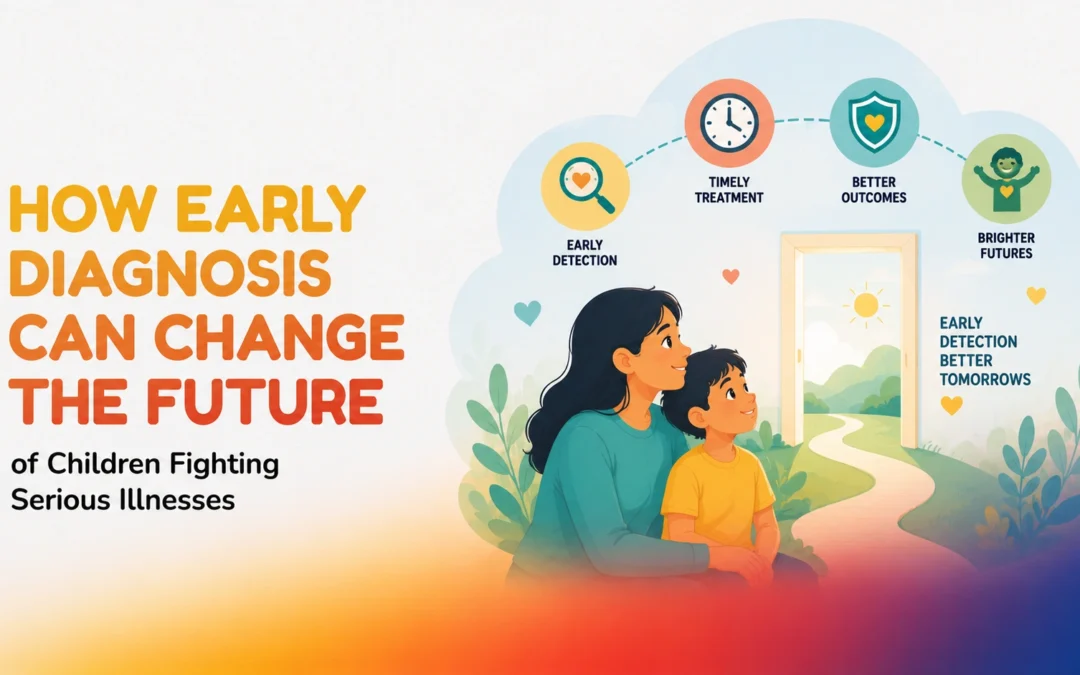
For children facing serious illnesses such as cancer, blood disorders, congenital conditions, autoimmune diseases, or chronic medical conditions, timely diagnosis can significantly influence treatment options, recovery, quality of life, and long-term outcomes.
In many situations, early diagnosis has the power to change a child’s future.
Why Early Diagnosis Matters
Serious illnesses often progress over time.
When identified early, healthcare professionals can begin treatment before complications develop or the condition becomes more advanced. Early intervention may lead to:
- More treatment options
- Better treatment outcomes
- Fewer complications
- Reduced physical impact of illness
- Improved quality of life
- Lower overall treatment burden
For children and families, early diagnosis often means receiving answers sooner and beginning the path toward recovery without unnecessary delays.
The Challenge of Recognizing Early Symptoms
One reason early diagnosis can be difficult is that many serious illnesses initially present with common symptoms.
Signs such as:
- Persistent fever
- Unexplained fatigue
- Frequent infections
- Weight loss
- Swollen lymph nodes
- Ongoing pain
- Easy bruising or bleeding
- Persistent headaches
- Changes in appetite
may have many possible causes, most of which are not serious.
However, when symptoms persist, worsen, or repeatedly return, further medical evaluation becomes important.
Parents know their children better than anyone else. Trusting those instincts and seeking professional medical advice when something feels unusual can make a meaningful difference.
Early Diagnosis in Childhood Cancer
Childhood cancer is one of the clearest examples of why timely diagnosis is so important.
While childhood cancers are relatively uncommon, they often require prompt treatment once identified.
Early diagnosis may help:
- Reduce delays in treatment
- Improve treatment effectiveness
- Lower the risk of complications
- Support better long-term outcomes
- Improve overall quality of life during treatment
Awareness of potential warning signs among parents, teachers, caregivers, and healthcare providers plays a critical role in ensuring children receive timely attention when needed.
Blood Disorders and Other Serious Conditions
Early diagnosis is equally important for children living with blood disorders and other chronic illnesses.
Conditions such as thalassemia, sickle cell disease, bone marrow disorders, immune deficiencies, and certain genetic disorders can often be managed more effectively when identified early.
Timely diagnosis allows healthcare teams to:
- Monitor the condition appropriately
- Begin treatment sooner
- Prevent avoidable complications
- Educate families about ongoing care needs
- Improve long-term health outcomes
For many children, earlier intervention can mean a healthier and more active childhood.
The Impact on Families
A delayed diagnosis affects more than just medical outcomes.
Families often spend months searching for answers, visiting multiple healthcare providers, and managing uncertainty. The emotional toll of not knowing what is causing a child’s symptoms can be overwhelming.
An early diagnosis provides clarity.
While receiving a serious diagnosis is never easy, having an explanation allows families to make informed decisions, access support services, and begin treatment as soon as possible.
Knowledge helps replace uncertainty with action.
Awareness Is the First Step
Many serious childhood illnesses are diagnosed only after symptoms become severe enough to demand urgent medical attention.
Greater awareness can help change this.
Parents, caregivers, teachers, and communities all have a role to play in recognizing when a child may need further medical evaluation.
Awareness does not mean assuming the worst.
It means understanding that persistent or unusual symptoms deserve attention and that seeking medical advice early is always preferable to waiting for symptoms to worsen.
Breaking Barriers to Timely Diagnosis
Unfortunately, many families face challenges that can delay diagnosis, including:
- Limited healthcare access
- Financial constraints
- Lack of awareness
- Geographic barriers
- Fear of medical findings
- Difficulty reaching specialized healthcare services
Addressing these barriers requires collaboration between healthcare providers, policymakers, communities, and nonprofit organizations working to improve healthcare access for children.
Every child deserves the opportunity to receive a timely diagnosis and appropriate care.
A Better Future Begins With Early Action
The future of a child facing a serious illness is influenced by many factors, but one of the most important is how quickly the condition is identified.
Early diagnosis does not guarantee an easy journey. However, it often creates opportunities for earlier treatment, better outcomes, improved quality of life, and greater hope for children and their families.
The message is simple but powerful:
Pay attention to persistent symptoms. Seek medical advice when concerns arise. Trust professional guidance. And never underestimate the value of early action.
Because when serious illnesses are identified early, children are given something incredibly important—the best possible chance for a healthier future.