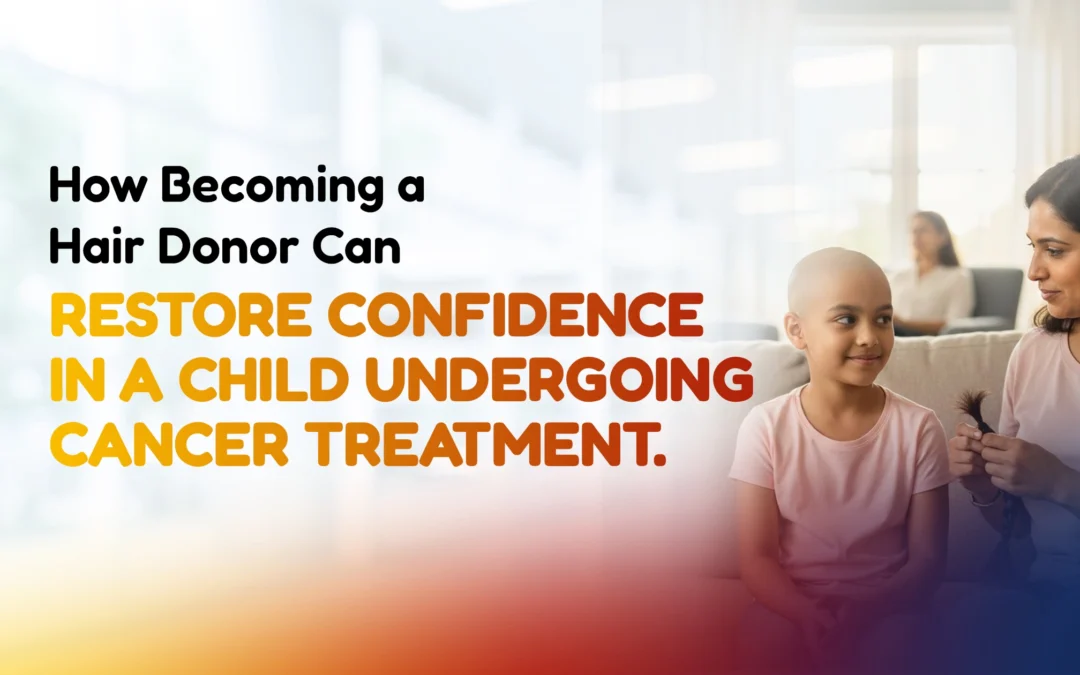
For a child undergoing chemotherapy, hair loss is not just a physical side effect — it is often an emotional turning point. The visible change in appearance can affect how children see themselves and how they believe others see them.
Through its awareness initiatives, Happy Kids Foundation continues to highlight that becoming a hair donor is not simply an act of charity — it is an act of restoring confidence.
While medical treatment works toward curing disease, emotional strength helps children endure the journey.
Why Hair Loss Affects Children Deeply
Chemotherapy-induced hair loss can lead to:
- Reduced self-esteem
- Fear of social interaction
- Hesitation to attend school
- Avoidance of photographs
- Feeling visibly “different”
Teenagers, in particular, may struggle with body image during treatment. Appearance plays a central role in identity formation, and sudden hair loss can be distressing.
A natural hair wig can help bridge this emotional gap.
How Hair Donation Translates Into Confidence
When a child receives a wig made from donated hair, several positive shifts occur:
- They feel more comfortable stepping outside
- School reintegration becomes easier
- Social confidence improves
- Emotional resilience strengthens
The wig does not erase the illness — but it reduces the visible burden of it.
Confidence is not superficial. It influences mental wellbeing, treatment cooperation, and overall recovery experience.
The Psychological Impact of Feeling “Normal”
Children facing cancer treatment often wish for one thing — to feel normal.
Hair donation programs support that desire by:
- Minimising visible treatment effects
- Helping children maintain routine
- Reducing unwanted attention
- Protecting self-image
A restored sense of normalcy often leads to better emotional adjustment during long treatment cycles.
The Ripple Effect of One Donation
One hair donor may contribute to:
- Part of a wig
- A complete wig in certain cases
- Awareness in their social circle
- Inspiration for others to donate
Hair donation programs across India rely heavily on community participation.
The cumulative effect of many small acts creates sustainable emotional support for paediatric cancer patients.
Who Can Become a Hair Donor?
Individuals willing to donate hair typically need to:
- Meet minimum length requirements
- Ensure hair is clean and properly tied
- Follow submission guidelines
Students, professionals, homemakers — anyone can contribute.
It is a simple process with a powerful outcome.
Beyond Appearance: Restoring Dignity
Hair donation is not about vanity. It is about dignity.
For children battling cancer, dignity means:
- Feeling confident in public
- Participating without embarrassment
- Looking into the mirror without distress
These emotional gains matter just as much as physical recovery milestones.
The Role of Community Participation
When more people across India participate in hair donation programs:
- Waiting lists for wigs reduce
- More children benefit
- Awareness about paediatric cancer increases
- Social stigma around cancer weakens
Community involvement transforms individual struggle into collective support.
Final Thought
Becoming a hair donor is not about losing hair. It is about giving confidence.
Happy Kids Foundation continues to encourage people across India to recognise that even small contributions can significantly impact the emotional wellbeing of children undergoing cancer treatment.
Sometimes, restoring a smile begins with restoring a strand of hope.