When a child finishes cancer treatment, families finally begin to breathe again. Hospital visits become less frequent, medicines may reduce, and life slowly starts feeling normal.
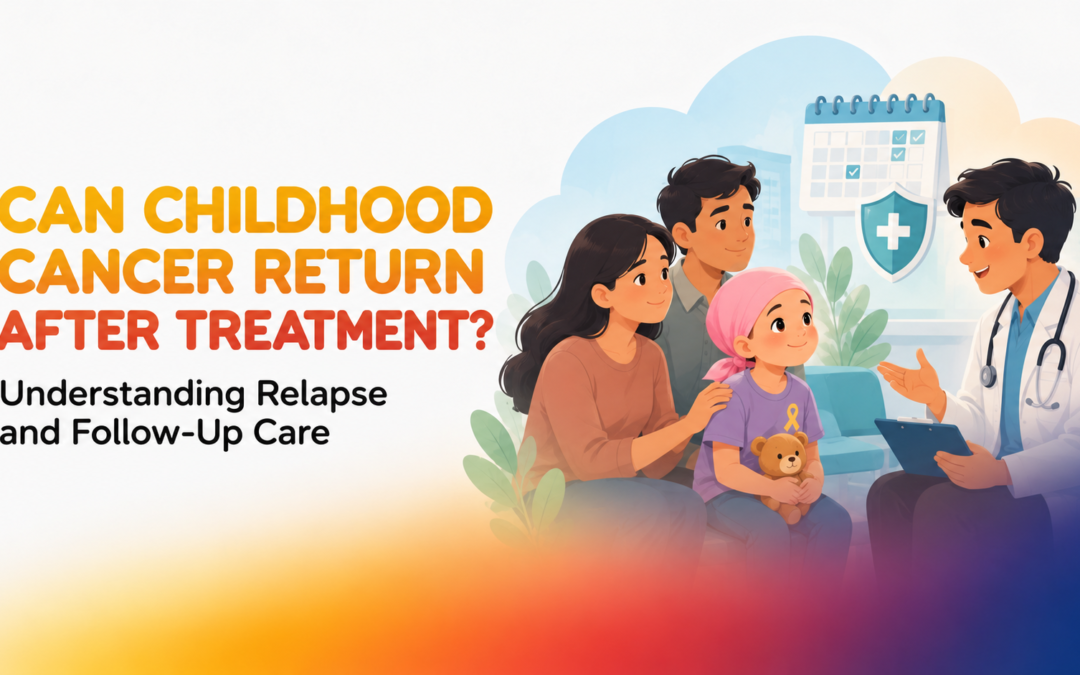
But one question can remain in the back of every parent’s mind: Can childhood cancer come back after treatment?
The honest answer is yes, some childhood cancers can relapse. However, relapse does not happen to every child, and completing treatment remains a major milestone worth celebrating.
What Does Cancer Relapse Mean in Children?
Cancer relapse, also called cancer recurrence, means that cancer returns after a period when it could no longer be detected or was considered to be in remission.
In pediatric cancer, relapse may occur in the same area where the cancer originally developed or in another part of the body. For example, childhood leukemia relapse may involve the bone marrow, while certain solid tumors may return near the original site or elsewhere.
The risk of relapse depends on several factors, including the type of childhood cancer, its biological characteristics, the response to treatment, and the child’s individual medical history.
This is why no two children’s cancer journeys are exactly alike.
What Symptoms Should Parents Watch For?
After treatment, parents naturally become more alert to every fever, ache, or change in behaviour. But remember, most everyday childhood symptoms do not automatically mean cancer has returned.
Depending on the original diagnosis, possible warning signs may include:
- Persistent or unexplained fever
- Unusual bruising or bleeding
- Increasing fatigue, paleness, or weakness
- Persistent bone pain or swelling
- New lumps or unexplained swelling
- Frequent headaches or other persistent, unusual symptoms
These symptoms can have many causes. However, if they persist, worsen, or resemble symptoms present during the original diagnosis, contact your child’s pediatric oncologist rather than trying to interpret them yourself.
Why Is Follow-Up Care So Important?
Finishing chemotherapy or another cancer treatment does not mean medical follow-up should stop.
Regular pediatric cancer follow-up appointments help doctors monitor recovery, look for signs of recurrence when appropriate, and identify late effects of cancer treatment.
Your child’s follow-up care plan may include:
- Physical examinations and symptom reviews
- Blood tests or imaging, depending on the cancer type
- Monitoring growth, development, and nutrition
- Checking heart, kidney, hormonal, or other functions when relevant to previous treatment
- Emotional support and guidance for returning to school and everyday activities
Not every child needs the same tests at every visit. The schedule depends on the original cancer diagnosis, treatment received, and time since treatment ended.
Can Childhood Cancer Relapse Be Treated?
In some cases, yes. Treatment for relapsed childhood cancer depends on the type of cancer, where it has returned, previous treatment, and the child’s current health.
Options may include chemotherapy, targeted therapy, immunotherapy, surgery, radiation therapy, or a stem cell transplant in selected cases.
A relapse can be emotionally overwhelming, but it does not mean there are no treatment options. A pediatric oncology specialist can explain the available approaches and their potential benefits and risks.
Helping Your Child Move Forward After Cancer
Life after childhood cancer involves more than medical appointments. Children may need time to regain their strength, rebuild confidence, return to school, and feel comfortable being children again.
Parents can help by maintaining follow-up appointments, keeping medical records organised, encouraging age-appropriate activities, and allowing children to express their worries.
It is equally important to avoid living in constant fear of recurrence. Follow-up care is there to provide medical guidance, not to make every day feel like a waiting period.
Final Thoughts
Childhood cancer recovery is a significant achievement, and regular follow-up helps protect the progress your child has made.
If you notice something unusual, seek medical advice rather than assuming the worst. If your child is doing well, allow yourself to celebrate that, too.
At Happy Kids Foundation, we believe every child deserves support beyond treatment — through recovery, follow-up care, and the opportunity to build a healthy, hopeful future.