
Why NGOs & Community Support Systems Have Become Essential in Thalassaemia Care
Over the last few decades, the management of Thalassaemia in India has improved significantly.
Better access to:
- Blood transfusions
- Chelation therapy
- Pediatric hematology care
- Awareness initiatives
has helped improve both survival and quality of life for children diagnosed with Thalassaemia.
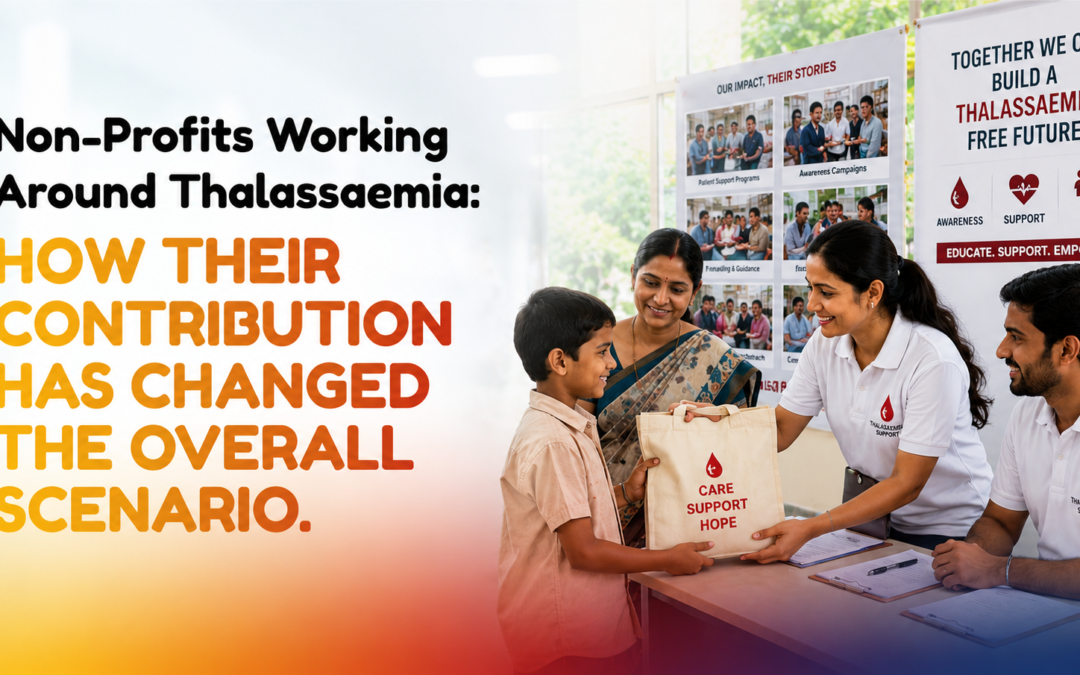
However, one of the biggest contributors to this transformation has been the growing role of non-profits and community-based healthcare organizations.
Across India, NGOs working in the field of Thalassaemia care have helped bridge critical gaps in:
- Awareness
- Accessibility
- Affordability
- Long-term support
For many families, these organizations have become an essential part of the treatment ecosystem.
Why Is Long-Term Support So Important in Thalassaemia?
Thalassaemia Major is not a short-term illness.
Children often require:
- Regular blood transfusions
- Chelation therapy
- Ongoing monitoring
- Lifelong medical follow-up
Managing Thalassaemia treatment requires consistency over many years.
This creates:
- Financial pressure
- Emotional stress
- Logistical challenges
- Healthcare accessibility issues
Many families struggle to manage all these aspects alone.
What Challenges Did Families Face Earlier?
A few years ago, many children with Thalassaemia faced:
- Delayed diagnosis
- Irregular blood availability
- Lack of awareness
- Limited access to specialists
- High treatment costs
- Poor long-term follow-up
In rural and semi-urban areas, access to specialized pediatric hematology treatment was even more limited.
Awareness regarding:
- Carrier screening
- Chelation therapy
- Genetic counselling
was also significantly lower.
How Have Non-Profits Helped Improve Awareness?
One of the biggest contributions of NGOs has been awareness generation.
Organizations working around Thalassaemia awareness have helped educate communities about:
- Early symptoms
- Importance of blood transfusions
- Need for chelation therapy
- Carrier screening
- Prevention strategies
Awareness campaigns have encouraged:
- Early diagnosis
- Premarital screening
- Blood donation participation
- Timely medical consultation
This has helped reduce stigma and improve disease understanding.
How Have NGOs Improved Access to Treatment?
Many non-profits now support families through:
- Blood transfusion programs
- Access to medicines
- Chelation therapy support
- Financial assistance
- Medical coordination
These initiatives are especially important for:
- Rural families
- Economically vulnerable households
- Children requiring long-term care
Improved support systems have helped increase continuity in Thalassaemia treatment.
Why Are Blood Donation Drives So Important?
Children with Thalassaemia Major depend heavily on regular blood transfusions.
Without consistent blood availability:
- Treatment gets delayed
- Complications increase
- Overall health deteriorates
NGOs and non-profits have played a major role in:
- Organizing blood donation drives
- Creating donor networks
- Increasing voluntary blood donation awareness
This has significantly strengthened support systems for children.
What Role Does Counselling & Emotional Support Play?
Managing Thalassaemia in children affects entire families emotionally.
Parents often experience:
- Anxiety
- Financial stress
- Emotional exhaustion
Children may struggle with:
- Repeated hospital visits
- Fatigue
- Emotional isolation
Many organizations now provide:
- Counselling services
- Family support systems
- Awareness sessions
- Long-term care guidance
This holistic approach has improved overall quality of life for many families.
How Is Happy Kids Foundation Contributing?
The Happy Kids Foundation works towards strengthening support systems for children with Thalassaemia through:
- Blood transfusion assistance
- Access to chelation medicines
- Medical guidance
- Counselling support
- Awareness initiatives
- Long-term care coordination
The foundation focuses especially on supporting:
- Rural communities
- Underprivileged families
- Children requiring continuous treatment
The goal is not only to support treatment, but also to improve accessibility, continuity of care, and long-term well-being.
Why Is Community Participation Still Necessary?
Despite progress, many challenges still remain:
- Lack of awareness in rural India
- Irregular screening
- Financial barriers
- Limited access to specialized care
Improving outcomes for children with Thalassaemia requires collective participation from:
- Healthcare professionals
- NGOs
- Blood donors
- Communities
- Policymakers
Long-term illnesses require long-term ecosystems of support.
What Needs to Happen Going Forward?
Future progress depends on:
- Stronger awareness programs
- Better screening initiatives
- Increased blood donation participation
- Affordable access to medicines
- Expansion of rural healthcare support
The involvement of non-profits will continue to remain extremely important in strengthening pediatric healthcare systems.
Final Thoughts from Happy Kids Foundation
The progress seen in Thalassaemia care in India is not the result of medical treatment alone.
It is also the result of:
- Awareness
- Community support
- NGO participation
- Consistent healthcare advocacy
Non-profits have helped thousands of families access care, continue treatment, and build hope during difficult journeys.
And as awareness continues to grow, stronger collaborations between healthcare systems and community organizations will remain essential in improving the future of children with Thalassaemia.