
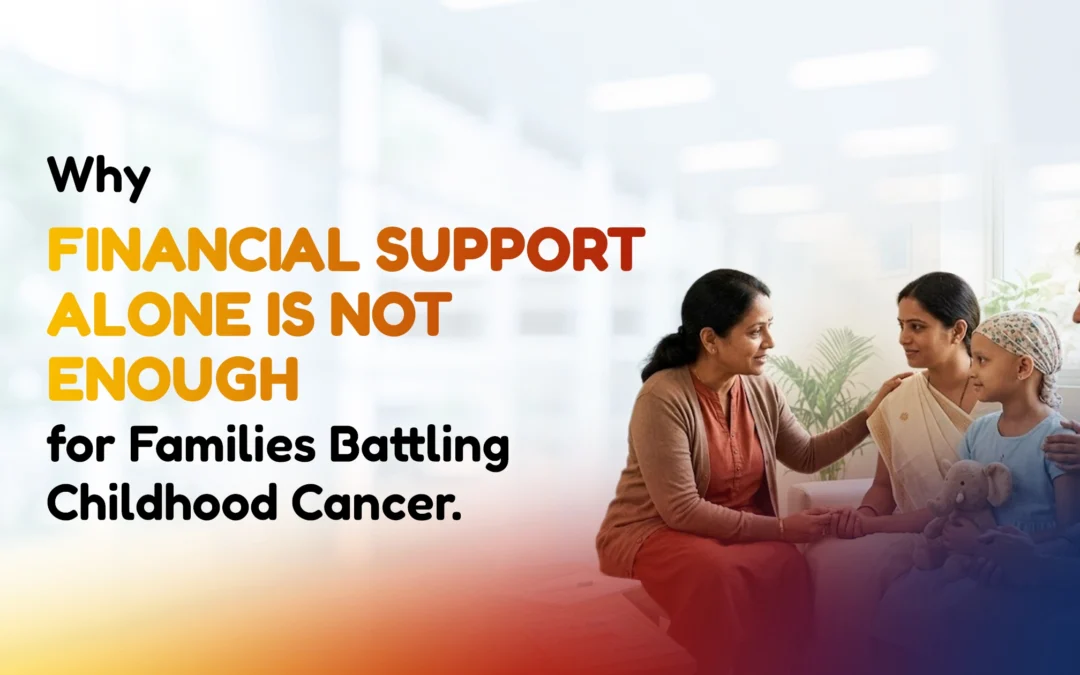
When a child is diagnosed with cancer, the immediate concern for many families revolves around treatment costs. Chemotherapy, hospitalisation, medicines, and long-term monitoring can place a significant financial burden on parents, particularly those from economically weaker backgrounds.
While financial support is an essential component of paediatric cancer care, it is often only one part of a much larger support system that families require.
Through its outreach and patient support initiatives, Happy Kids Foundation highlights that children battling serious illnesses need not only medical treatment but also emotional guidance, logistical assistance, and social support throughout their journey.
The Hidden Challenges Families Face
For families navigating childhood cancer treatment, financial expenses are just one aspect of the challenge.
Parents often struggle with:
- Understanding complex medical information
- Travelling frequently for hospital visits
- Managing the emotional stress of diagnosis
- Supporting the child through difficult treatment phases
- Maintaining family stability during long treatment cycles
Without guidance, these challenges can become overwhelming.
The Importance of Emotional Support
A childhood cancer diagnosis affects the entire family emotionally.
Parents may experience:
- Anxiety about treatment outcomes
- Fear of complications
- Emotional exhaustion from long hospital stays
Children may also face:
- Fear of medical procedures
- Changes in routine and schooling
- Feelings of isolation from friends
Counselling and emotional reassurance help families cope with these difficulties.
Navigating the Healthcare System
Many families, especially those from rural or semi-urban areas, are unfamiliar with specialised healthcare systems.
They often require support to:
- Understand diagnostic reports
- Follow treatment schedules
- Arrange follow-up appointments
- Access specialist consultations
Structured guidance can help families navigate these processes with greater confidence.
The Role of Awareness and Education
Education plays a vital role in helping families understand:
- The nature of the illness
- Treatment options available
- Possible side effects of therapy
- The importance of completing treatment cycles
When parents are informed, they are better prepared to support their child during treatment.
Community Support Matters
Support from communities and social organisations can make a meaningful difference.
Community initiatives help:
- Reduce social stigma associated with serious illnesses
- Encourage families to seek medical care early
- Provide moral support during treatment
A supportive environment helps children and parents feel less isolated.
The Holistic Approach to Child Healthcare
Organisations working in paediatric healthcare increasingly recognise the need for a holistic approach that combines:
- Medical care
- Financial assistance
- Emotional counselling
- Awareness programs
- Community support initiatives
This comprehensive approach ensures that children receive care that addresses both physical and emotional needs.
The Work of Happy Kids Foundation
Happy Kids Foundation supports children facing serious illnesses by promoting awareness and helping families access appropriate care.
The foundation focuses on:
- Supporting families during treatment journeys
- Creating awareness about childhood diseases
- Encouraging community participation in child healthcare initiatives
Through these efforts, the organisation aims to ensure that families are not left to navigate difficult medical journeys alone.

Final Thought
Financial support is undoubtedly important for families dealing with childhood cancer. However, true support goes beyond covering treatment costs. Emotional guidance, awareness, and community backing are equally important in helping families navigate the challenges of serious illness.
A holistic support system ensures that children battling cancer receive not only treatment but also compassion, understanding, and hope.