
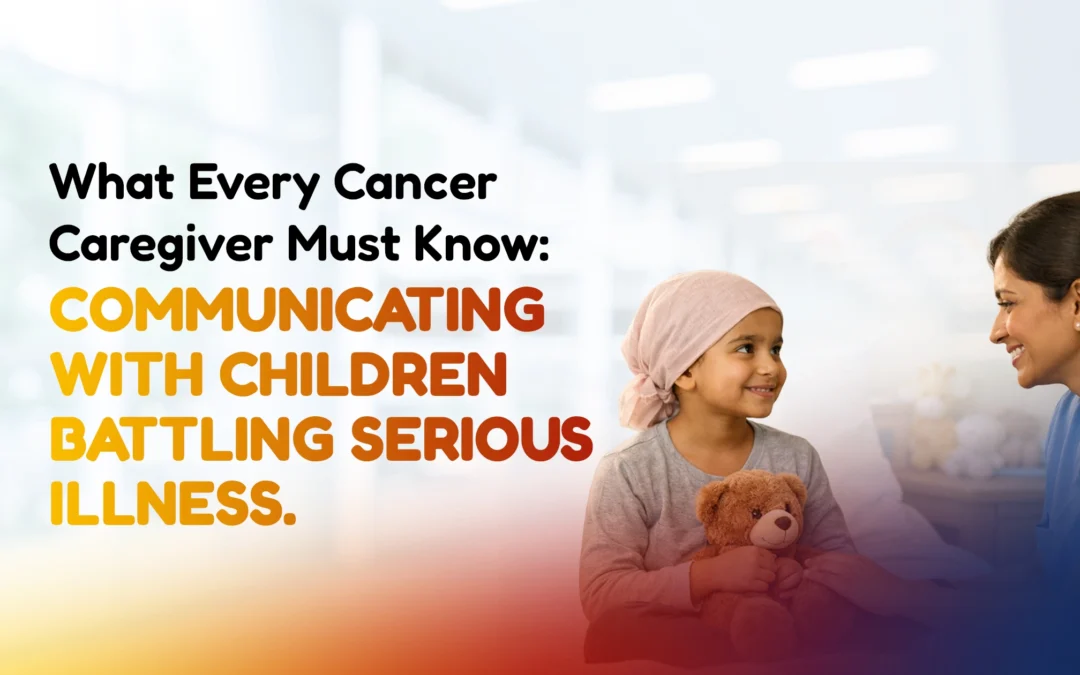
When a child is diagnosed with cancer, treatment plans, hospital visits, and medical decisions quickly take centre stage. But beyond chemotherapy protocols and clinical milestones lies another crucial factor — communication.
According to the approach supported by Happy Kids Foundation, the way caregivers communicate with children battling serious illness significantly influences emotional resilience, cooperation with treatment, and long-term psychological wellbeing.
Words can either build strength — or increase fear.
Why Communication Matters in Paediatric Cancer Care
Children process illness differently from adults. They may not fully understand medical details, but they deeply sense emotional tone.
Poor communication can lead to:
- Increased anxiety
- Fear of procedures
- Withdrawal
- Behavioural changes
- Mistrust toward caregivers
Clear, calm communication builds security.
Be Honest — But Age Appropriate
Children do not need complex medical terminology. They need:
- Simple explanations
- Reassurance without false promises
- Clarity about what to expect
For example:
Instead of saying, “Nothing will happen,” it is better to say, “You may feel uncomfortable for a short time, but we will be with you.”
Honesty builds trust.
Avoid Catastrophic Language
Caregivers should avoid statements such as:
- “This is very dangerous.”
- “You are very sick.”
- “We don’t know what will happen.”
Such language can increase fear unnecessarily.
Balanced communication focuses on:
- What doctors are doing
- What steps are being taken
- How the child will be supported
Encourage Questions
Children often have silent fears.
Allow them to ask:
- “Will it hurt?”
- “Will I lose my hair?”
- “When can I go back to school?”
Answer patiently and honestly. Avoid dismissing concerns.
Open dialogue reduces isolation.
Maintain Routine Conversations
Not every discussion should revolve around illness.
Caregivers should continue talking about:
- School
- Hobbies
- Friends
- Future plans
Normal conversation protects childhood identity.
Manage Your Own Emotions
Children mirror adult behaviour.
If caregivers appear:
- Constantly anxious
- Tearful
- Panicked
Children may internalise those emotions.
Seeking support for caregivers is not weakness — it strengthens the support system for the child.
Be Mindful of Non-Verbal Communication
Children observe:
- Facial expressions
- Tone of voice
- Body language
Calm presence often communicates more than words.
Reassure Without Over-Promising
Avoid guaranteeing outcomes.
Instead of:
“You will be completely fine.”
Say:
“The doctors are doing everything possible to help you get better.”
Realistic reassurance builds emotional stability.

The Long-Term Impact of Healthy Communication
Children who experience supportive communication during illness often:
- Develop better coping skills
- Show stronger treatment adherence
- Maintain emotional balance
- Recover socially after treatment
Communication shapes memory of the illness experience.
Final Thought
Cancer treatment addresses the body. Communication protects the mind.
Happy Kids Foundation encourages caregivers to recognise that thoughtful, honest, and calm communication can significantly influence a child’s strength during serious illness.
Sometimes, healing begins with the right words.