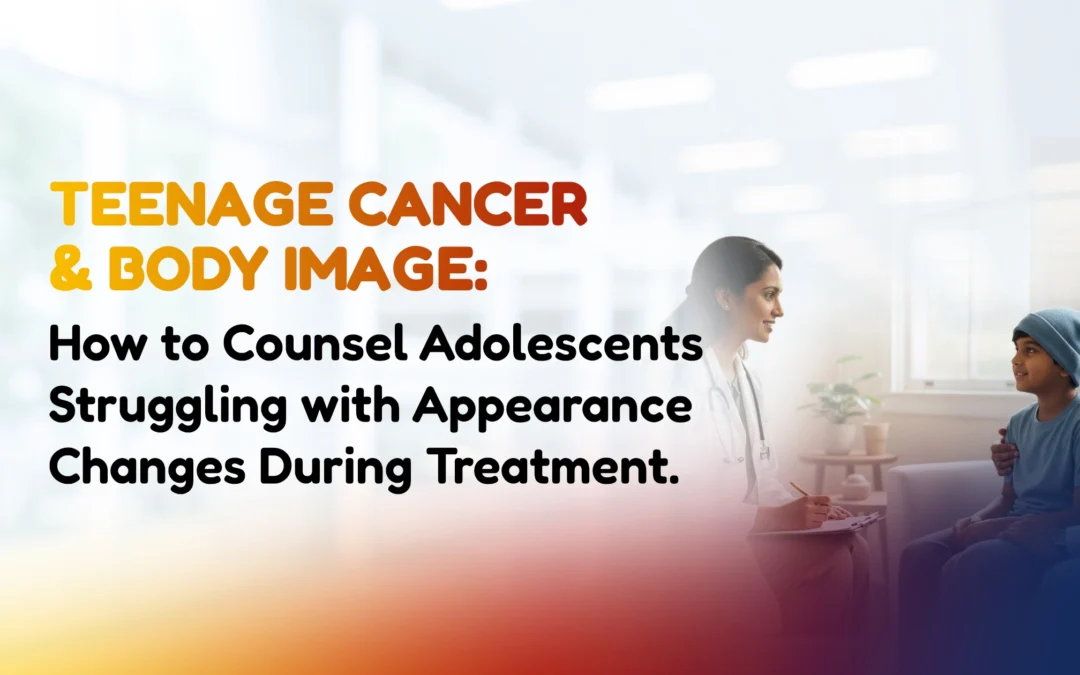
Adolescence is a stage where identity, confidence, and self-image are still developing. For teenagers undergoing cancer treatment, physical changes such as hair loss, weight fluctuations, skin changes, or surgical scars can deeply affect body image.
Through its community awareness initiatives, Happy Kids Foundation recognises that supporting emotional wellbeing is just as important as managing medical treatment — especially in teenage cancer patients.
Cancer treatment may be clinical. But its emotional impact is deeply personal.
Why Body Image Matters More in Teenage Years
Teenagers are naturally more aware of:
- Appearance
- Peer perception
- Social media influence
- Social acceptance
When cancer treatment alters appearance, adolescents may experience:
- Embarrassment
- Withdrawal from friends
- Avoidance of school
- Reduced self-confidence
- Anxiety about social interaction
These feelings are normal — but they must be addressed early.
Common Appearance-Related Changes During Treatment
Teenage cancer patients may face:
- Chemotherapy-induced hair loss
- Weight gain or weight loss
- Swelling due to medications
- Acne or skin pigmentation
- Surgical scars
- Use of assistive medical devices
Each of these changes can influence self-esteem.
Open discussion helps reduce emotional isolation.
How Caregivers Can Offer Effective Support
Counselling does not always require formal therapy. Simple steps can make a difference:
1️⃣ Encourage Open Conversations
Allow teenagers to express frustration or fear without dismissing their feelings.
2️⃣ Avoid Minimising Their Concerns
Statements like “It’s just hair” can feel invalidating. Acknowledge their experience.
3️⃣ Offer Practical Solutions
Discuss options such as:
- Hair donation wigs
- Caps or scarves
- Skin care guidance
- Styling adaptations
4️⃣ Maintain Social Connection
Encourage interaction with friends in safe and comfortable settings.
5️⃣ Reinforce Strength Beyond Appearance
Highlight resilience, courage, and progress rather than focusing solely on looks.
The Role of Peer and School Support
Teenagers benefit greatly when:
- Schools are sensitised about their condition
- Peers are educated respectfully
- Bullying is actively discouraged
- Reintegration is handled gently
Social stability accelerates emotional recovery.
Professional Psychological Support
In some cases, structured counselling may be necessary.
Professional support can help address:
- Anxiety
- Body dysmorphia
- Depression
- Fear of relapse
- Long-term self-image concerns
Early psychological intervention prevents prolonged emotional distress.
Why Community Awareness Matters
In rural and semi-urban areas, awareness about teenage body image issues during cancer treatment remains limited.
Happy Kids Foundation advocates for:
- Open dialogue around adolescent mental health
- Awareness of chemotherapy side effects
- Community sensitivity toward visible changes
- Encouragement of supportive environments
Reducing stigma strengthens recovery.
Growth Beyond Appearance
Teenagers undergoing cancer treatment often develop remarkable resilience. With proper counselling and support, many emerge with:
- Stronger emotional maturity
- Deeper empathy
- Greater self-awareness
- Renewed confidence
Body changes are temporary. Emotional scars need careful care.
Final Thought
Teenage cancer treatment affects more than the body — it touches identity and self-worth.
By fostering understanding, open communication, and supportive environments, caregivers can help adolescents navigate appearance changes without losing confidence.
Healing is not only physical. It is emotional, social, and deeply human.