
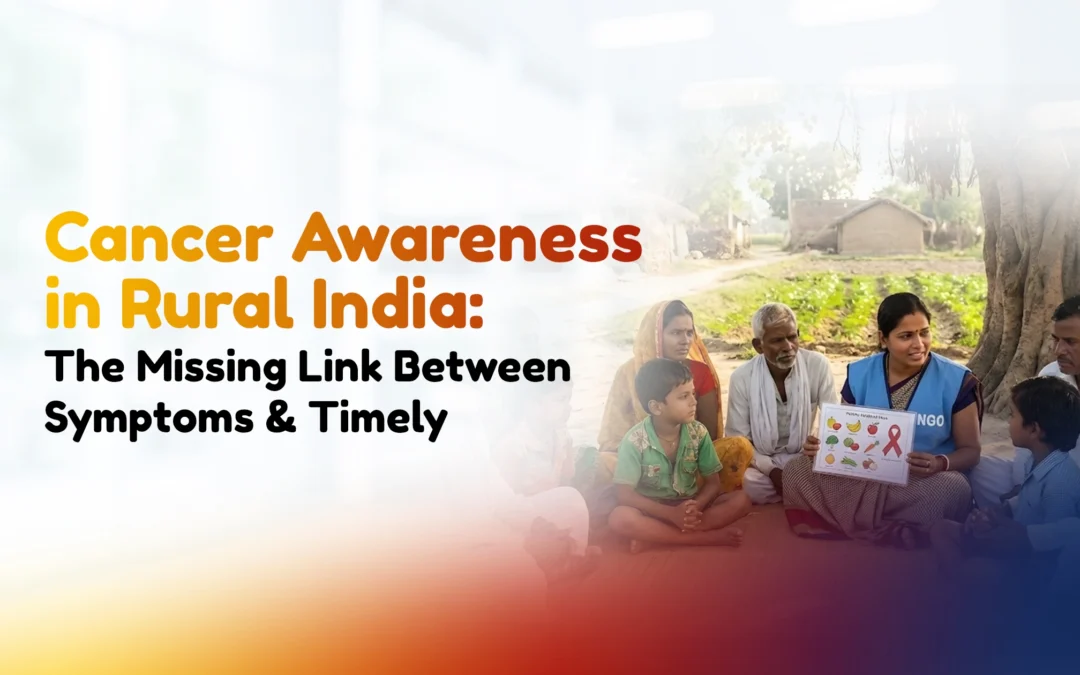
In rural India, cancer is often not a medical conversation, but a social whisper.
In many villages across Marathwada and rural Maharashtra, families still associate cancer with fear, fatality, stigma, secrecy, or misinformation rather than diagnosis, treatment, and recovery.
For children, this gap in awareness becomes even more dangerous because pediatric cancer symptoms often mimic common childhood illnesses, leading to late detection and treatment delays.
At Happy Kids Foundation, we believe that awareness is the first step toward saving lives — especially for children in underserved communities where access to information and medical guidance is limited.
Why Cancer Awareness in Rural India Is a Critical Challenge
|
Barrier |
Impact |
|
Low awareness of symptoms |
Late diagnosis |
|
Fear of social judgment |
Families avoid seeking help |
|
Myths & misconceptions |
Preference for local or unverified remedies first |
|
Poor access to specialists |
Lack of early pediatric oncology evaluation |
|
Financial hesitation |
Delay in medical intervention |
|
Limited screening culture |
Disease detected only when advanced |
Cancer is not spreading more in rural India — it is being detected too late.
Common Myths Around Cancer in Rural Communities
|
Myth |
Fact |
|
Cancer is contagious |
Cancer does not spread through contact |
|
It is a punishment or curse |
It is a medical condition, not a consequence |
|
Nothing can cure cancer |
Many childhood cancers are highly treatable |
|
Treatment is always unaffordable |
Multiple government & NGO support options exist |
|
Only adults get cancer |
Children can also develop cancer |
|
Diagnosis means death |
Early diagnosis often means cure |
Pediatric Cancer Signs Often Overlooked as “Common Illness”
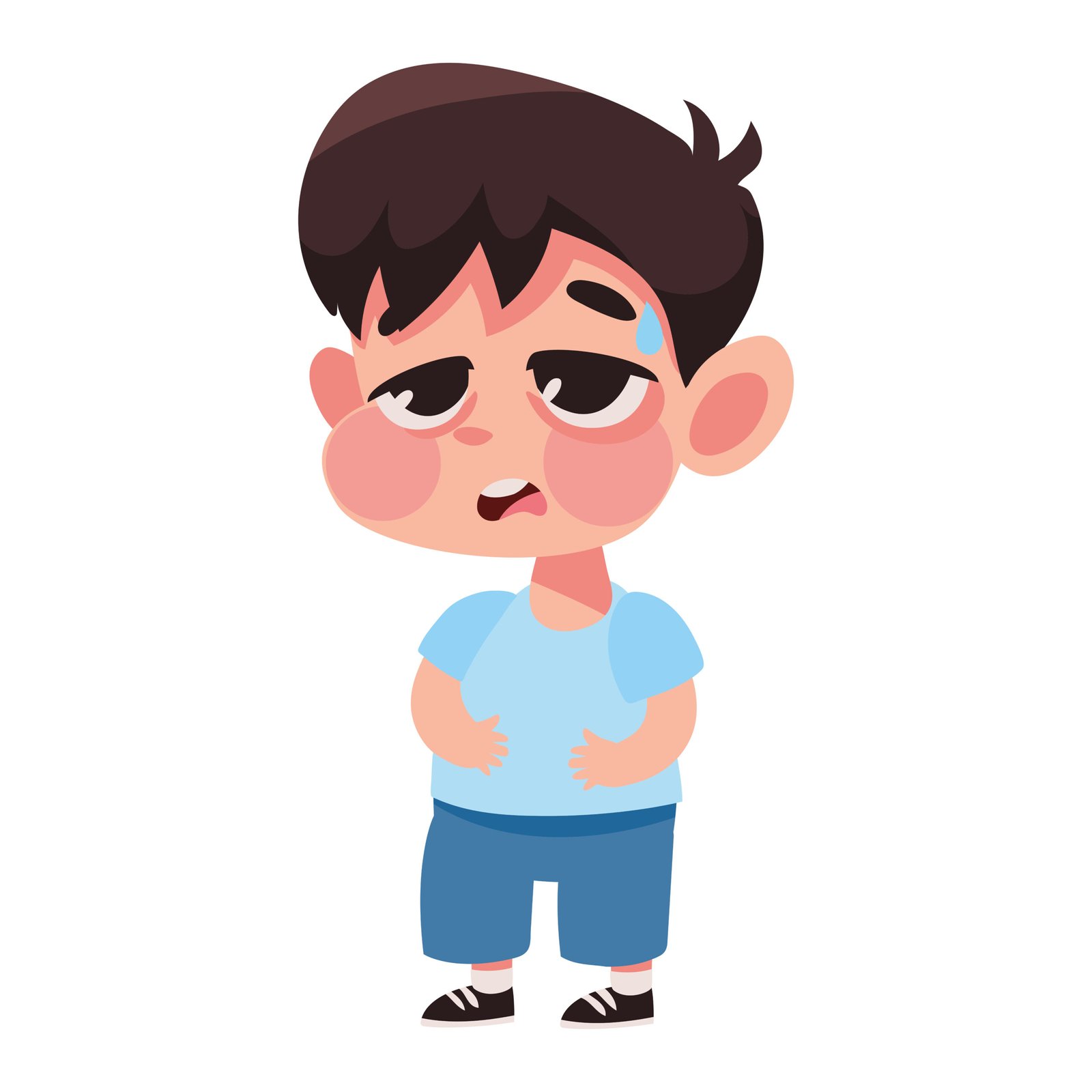
Parents and caregivers must seek expert evaluation if a child shows:
- Persistent fever without infection
- Sudden weight loss or extreme fatigue
- Pale skin, frequent bruising or bleeding
- Swollen lymph nodes or unexplained lumps
- Repeated infections or falling sick often
- Bone or joint pain, limping without injury
- Headaches with vomiting or vision problems
- Abdominal swelling or abnormal mass
Early symptoms are silent, simple, and often confused — awareness changes outcomes.
Why Rural Awareness Must Focus on Children
- Children respond better to cancer treatment than adults
- Pediatric cancers are often fast growing but highly treatable
- A child diagnosed early has a higher probability of resuming normal life
- Unlike adult cancers, lifestyle is rarely the cause
- Timely care protects their growth, immunity, and long-term development
What Needs to Change in Rural Cancer Awareness?
1. Education at the community level
Schools, local leaders, and health workers must recognize early warning signs.
2. Breaking stigma through open conversation
Cancer is not shameful — silence around cancer is.
3. Encouraging early medical evaluation
Visiting a pediatric specialist early must replace home-based assumptions.
4. Putting facts over fear
Medical guidance must replace myths, fear-based perception, or hearsay.
5. Awareness of available treatment support
Families should know that financial challenges can be supported through:
- hospital social aid programs
- NGO assistance
- trust-based treatment support
- immunotherapy & transfusion support networks
The Role of Happy Kids Foundation
Happy Kids Foundation works across rural Maharashtra to:
✔ Encourage early pediatric cancer screening
✔ Spread factual awareness in villages
✔ Support access to specialized medical care
✔ Provide treatment assistance for underprivileged children
✔ Strengthen caregiver education and counseling
✔ Promote community-level cancer awareness drives
Our goal is simple:
No child’s cancer journey should begin late because of lack of awareness.
A Message to Parents & Communities
Cancer is not a dead end.
Late diagnosis is.
When detected early and treated correctly:
- children heal
- families regain hope
- communities break stigma
- survival becomes the norm, not the exception
Awareness is not just information — it is early intervention, early treatment, and early hope.